

There was e there were: come si dice «c'era»
QCER A2
Che cosa imparerai
- Riconoscere there was e there were in brevi esempi di livello A2.
- Applicare there was e there were a prove visive esplicite senza copiare un modello svolto.
- Giustificare le tre risposte con la regola e la prova visibile.
L'idea
È lo stesso there di sempre, con il verbo al passato: a decidere tra was e were è ciò che viene dopo, come al presente.
Se sai già there is e there are, questa è mezza unità: cambia il verbo e nient'altro. There was a school here. There were two schools here.
La regola per decidere è identica: guarda la parola che viene subito dopo. Singolare o qualcosa che non si conta, was. Plurale, were. There was a lot of noise. There were a lot of people.
Ed è l'unico modo di dire «c'era» parlando di esistenza. Non va bene it was, che descrive qualcosa di già noto, né had, che è avere. There was a problem, mai «It had a problem».
La negazione e la domanda funzionano come con qualsiasi to be al passato: There wasn't any bread. There weren't any eggs. Was there a party? Were there many people? E la risposta breve ripete il verbo: Yes, there was. No, there weren't.
Questa costruzione regge qualsiasi descrizione di un luogo al passato, e per questo compare in tutti i racconti: In my grandmother's house there was a big kitchen and there were three bedrooms.
E si completa con altre due forme che ti serviranno presto: per il futuro, there will be, che non cambia né al singolare né al plurale; e con i modali, there might be o there should be. In tutte, il verbo dopo there è sempre be, senza coniugare.
Concordanza
| Nome seguente | Affermativa | Negativa | Domanda |
|---|---|---|---|
| singular countable | there was | there wasn't | Was there …? |
| uncountable | there was | there wasn't | Was there …? |
| plural countable | there were | there weren't | Were there …? |
Come suona
- There was a cinema on this street twenty years ago.Un cinema, singolare: was. Il numero di anni non cambia la scelta.
- There were a lot of people at the concert.People è plurale anche se non finisce in -s: were.
- There wasn't any milk in the fridge.Milk non si conta, quindi vuole was anche parlando di quantità.
- Were there many students in your class?Nella domanda, il verbo va davanti a there. Come al presente.
- There will be a meeting tomorrow.Al futuro non devi scegliere: there will be vale per uno e per molti.
Ora tocca a te
Due o tre, per verificare che quanto sopra si sia capito.
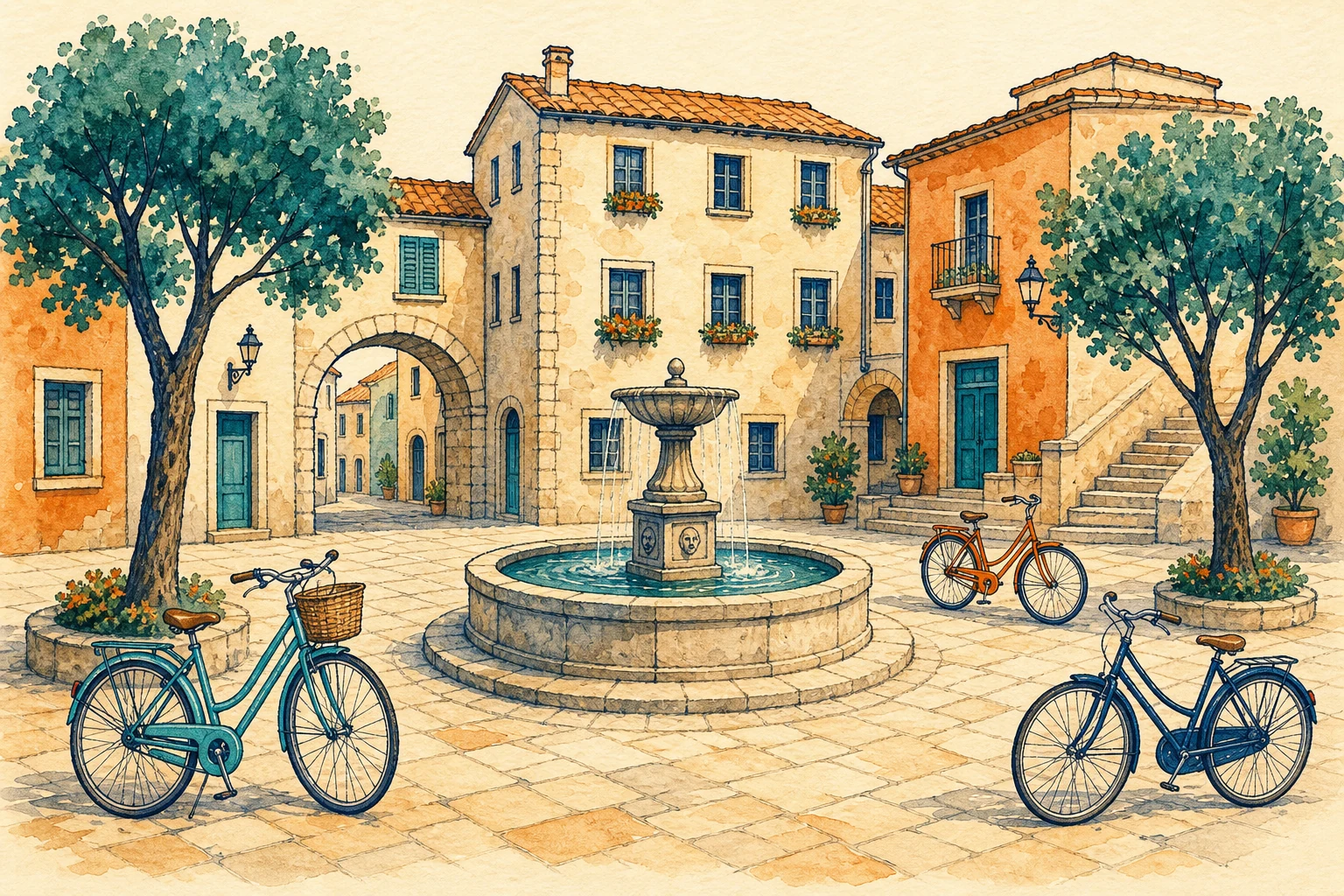
Introduce the single fountain in the old square.
There was one fountain. — Il gruppo singolare one fountain seleziona there was.
Introduce the two trees in the old square.
There were two trees. — Il gruppo plurale two trees seleziona there were.
No cars appear anywhere in the square. Choose the past existential negative.
There weren't any cars. — Cars è plurale, quindi la negativa esistenziale è there weren't.
Quando non vale
Ciò che rompe la regola, detto. Nasconderlo è ciò che ti fa sentire ingannato all'esame.
- Nell'elenco comanda il primo elemento, come al presente.There was a table and four chairs in the room.
- Con there non si usa mai did, né al negativo né nella domanda: è to be e se la cava da solo.There wasn't a bus. (no «There didn't be a bus»)
- Nell'inglese parlato si sente there was con il plurale quando la frase è contratta. Si capisce, ma per iscritto è considerato un errore.There's two people waiting. (hablado; escrito: There are two people waiting.)
- Per ciò che è esistito per un periodo e non c'è più, l'inglese aggiunge used to be, ancora più chiaro del passato semplice.There used to be a bakery on the corner.
Quello che la tua lingua ti spinge a dire
Si dice male It was a park near my grandmother's house.
Si dice bene There was a park near my grandmother's house.
Il numero per te è facile, perché «c'era» e «c'erano» sono già due forme distinte. La difficoltà resta la stessa del presente: quel «ci» somiglia a un pronome e la traduzione automatica finisce su it was. Ma it was descrive un parco già noto, mentre there was lo presenta per la prima volta.
Allineamento curricolare e fonti
- QCER A2 · repertorio per scambi semplici e compiti abituali; collocare there was e there were e dividere A2.1/A2.2 è una progressione editoriale, non un inventario grammaticale prescritto dal QCER. · Common European Framework of Reference for Languages: Companion Volume
- Descrizioni specifiche dell'inglese usate per verificare there was e there were; non costituiscono un curricolo scolastico. · Reference Level Descriptions developed so far